<img src="https://secure.leadforensics.com/77233.png" alt="" style="display:none;">

Connected safety for biotech and pharma workers.

UNE SÉCURITÉ AXÉE SUR LES DONNÉES.

The biotech and pharma industry plays an important role in the development and production of drugs, clinical trial of treatments, vaccines, and other medical products that are essential for improving health and treating disease. On a global scale, the pharmaceutical market is growing rapidly at almost 6% annually and is projected to hit the $2 trillion mark in 2028 (GlobalNewswire) which exposes more and more workers to a number of worksite hazards. 

The biotech and pharma industries present potential hazards to workers who are involved in research, manufacturing, and distribution processes. One significant hazard is exposure to toxic and combustible gases that can cause harm or death if not properly managed. Some of these gas hazards include:

  • Carbon dioxide (CO2) can be used as a solvent and be released in various processes including transportation.
  • Formaldehyde (CH2O) is used in sterilization and, as a volatile organic chemical, it is detectable with a PID sensor. 
  • Nitrogen (N2) is used to control oxygen levels in labs, in the packaging and transfer of products and to maintain drug efficacy. It can displace oxygen and cause asphyxiation. An oxygen gas detector can be used to ensure N2 hasn't displaced oxygen to a hazardous level. 
  • O2 (Oxygen) - is present during biomanufacturing and fermentation. Oxygen-enriched environments have a higher risk of explosions.
  • Chlorine gas (Cl2) - can be generated during chemical manufacturing.
  • Carbon monoxide (CO)- can be produced during manufacturing processes and as a byproduct of certain chemical reactions.
  • Hydrogen sulfide (H2S) can be released during the manufacturing of certain chemicals.
  • Ammonia (NH3) is often used during the production of chemicals.
  • Combustibles - methane can be produced during the fermentation process. Ethylene oxide is used in the sterilization of medical equipment. Propane is used for heating and powering equipment.
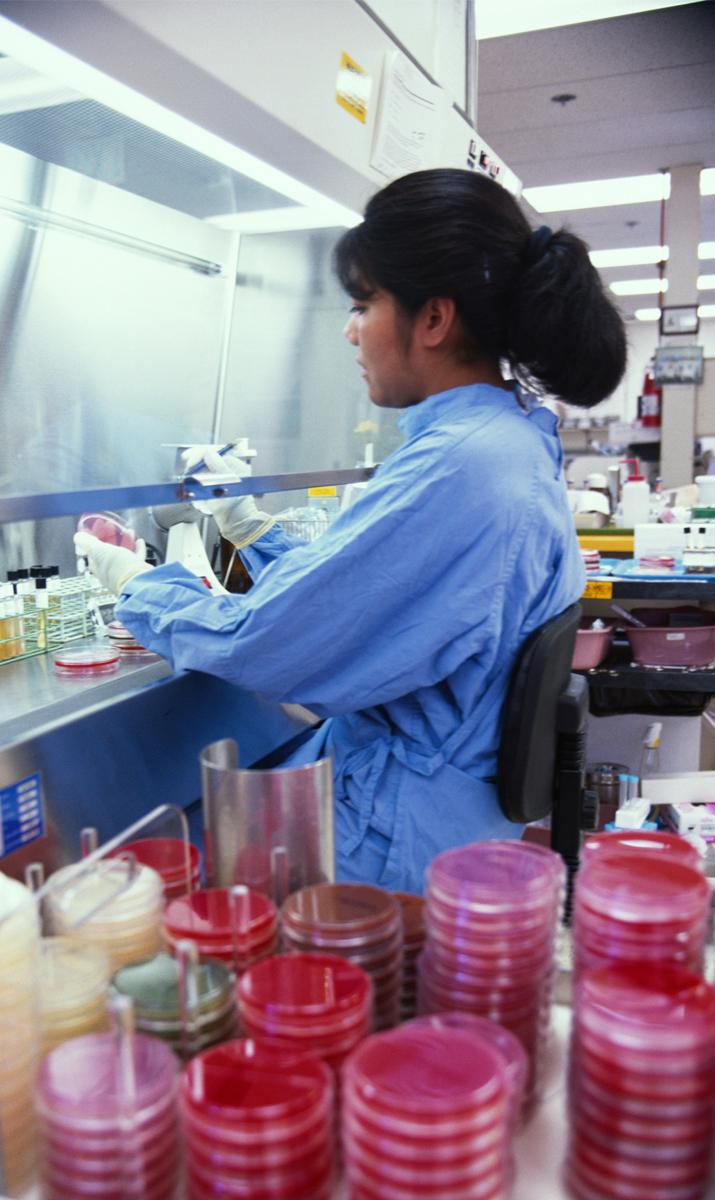
biotech-pharma-gas-detection-worker

CONNECTED GAS DETECTION AND LONE WORKER MONITORING FOR THE BIOTECH AND PHARMA INDUSTRY.

Workers in the biotech and pharma industry can face many challenges including unreliable communication methods to potential gas exposures from the various chemicals used in the manufacturing process. This is in addition to the risks associated with confined space entries and numerous lone worker risks such as slips, trips, and falls.

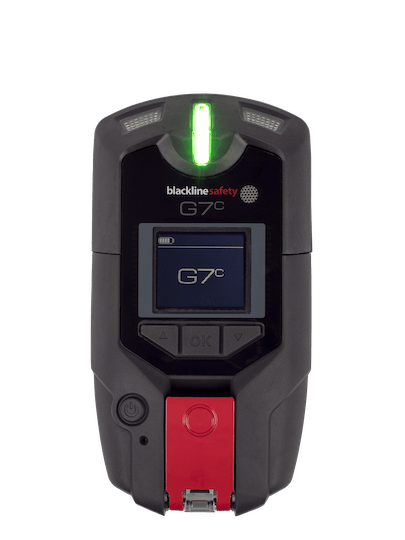
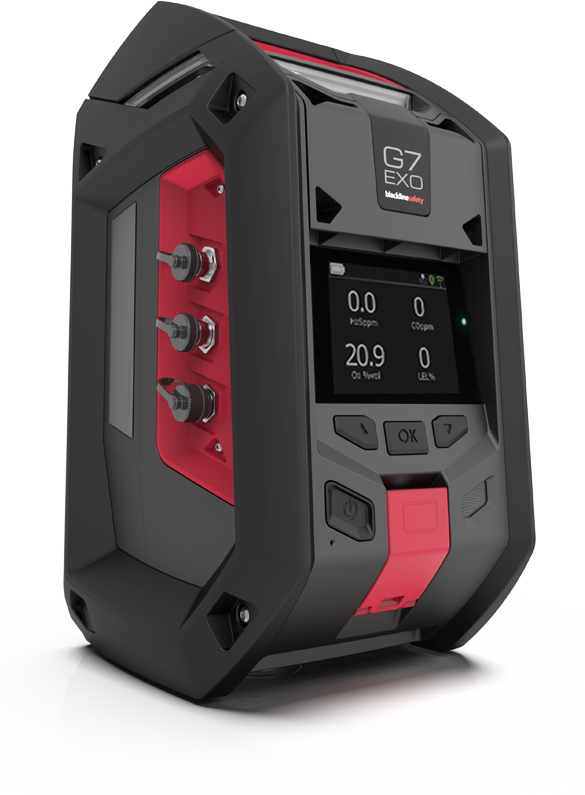
Our G7 Lone Worker device can provide a lifeline when no one else is around with no motion and fall detection capabilities, along with an SOS latch to call for help. Personal gas detectors should be worn to protect against potential gas exposures and a pump can be added to protect workers during confined space work. For larger spaces such as a chemical or manufacturing plant, the G7 EXO offers trustworthy gas detection for your entire operation. Combined, this safety ecosystem keeps communication lines open while working to improve the safety of workers and surrounding areas.


Sécurité des travailleurs isolés Détection personnelle de gaz Surveillance de zone
G7c-travailleur isolé-front2 g7c-multigaz-g7x-détecteur-monogaz

Moniteur de zone G7 EXO

Lone workers such as chemists, factory line staff, plant supervisors, and engineers may work independently at times and need immediate assistance in the event of an incident. 

EN SAVOIR PLUS

Gas exposures are a risk during biotech and pharmaceutical processes. Workers need a reliable safety solution like a G7 that harnesses connectivity and data insights to protect them. 

EN SAVOIR PLUS

When it comes to controlling the risk in chemical plants or laboratories, the G7 EXO is the industry's only direct-to-cloud area monitor giving real-time visibility of a worksite's safety.

EN SAVOIR PLUS

Biotech and Pharma Toxic and Combustible Gas Hazards

  • Principaux risques liés au gaz
  • Gas Sterilization in biotech and pharma manufacturing commonly uses sulfur dioxide, formaldehyde and N2.  
  • Fermentation produces biological products like enzymes, proteins, and antibiotics and uses oxygen. Carbon dioxide and combustibles can be produced, carrying an explosion hazard.
  • Synthesis is the production of chemicals or active pharmaceutical ingredients (APIs) from raw materials. These processes can generate toxic gases like chlorine, ammonia, and carbon monoxide.
  • Wastewater treatment uses oxygen and carbon dioxide to regulate hazardous acids for pH control.
  • Biomanufacturing-cell cultures is an upstream bioprocessing application that requires a mixture of O2, N2, and CO2. This mixture is sparged through the cell culture media to replenish oxygen during cell growth. Carbon dioxide controls the ph level and nitrogen removes excess carbon dioxide to balance the flow rate.
  • Nitrogen inerting, blanketing, and purging- this process uses nitrogen to protect raw materials from undesirable reactions and maintains drug efficacy. It also helps to mitigate ignition and explosion risks during the storage of flammable solvents, powder milling, and pneumatic transfer. 
  • Nitrogen (N2) is used to control oxygen levels in laboratories, chemical transportation and flushed into packaging to extend shelf life. Nitrogen exposure can bring the risk of asphyxiation as it can displace oxygen. 
  • Process temperature control also involves the use of nitrogen to keep therapeutic proteins or vaccine formulations at low temperatures for storage and preservation. Freeze drying is a process used to stabilize therapeutic proteins or vaccine formulations.
  • Cryogenic pelletizing uses liquid nitrogen to enlarge particles like probiotics with live microbial strains and requires very low temperatures.

In biotech, chemical programs occupy 46% of H&S professionals time.

National Library of Medicine: https://pubmed.ncbi.nlm.nih.gov/8901241/

Biotech and Pharma Lone Worker and CSE Risks

  • Plant rooms and warehouses are some of the riskiest areas of a pharmaceutical manufacturing plant. With a combination of loud noise and dangerous equipment around, lone workers can have an incident and no means to communicate with other workers. A G7 device can provide a lifeline to an injured worker with a simple pull of the SOS latch or automatically if a fall is detected. Physical injuries can range from skin, eye, face, and bone injuries from malfunctioning equipment or gas exposures. 
  • Biotech and pharma lone workers may experience poor wireless signals in large buildings or remote locations. If an accident occurs such as a slip, trip, fall, or worse, the challenge is often raising the alarm. The G7x/Bridge offers workers a satellite option for reliable remote connectivity.
  • Confined space entries (CSEs) are a major concern for pharmaceutical manufacturing workers. Some examples highlighted from 3M include:
    • Reactor vessels where Active Pharmaceutical Ingredients (API) are created,
    • Containment rooms and HVAC systems where proportioning takes place,
    • Biotech-specific process systems, fermentation vessels, and purification systems.
    • Workers can minimize confined space entry risks with a pre-entry check followed by continuous monitoring with a G7 Multi-Gas Pump.
  • Hot surfaces and temperature extremes, and even UV radiation are other risks workers should be cautious of in the pharma industry. Pharmaceutical manufacturing uses UV radiation for vitamin D production for example, which can pose an increased risk of skin cancer, burns, and developing cataracts (International EnviroGuard).
  • Workers may also face dangers when working at heights.

La connectivité et les logiciels pour mieux protéger votre équipe.

Blackline’s connected safety and robust software offering provide the biotech and pharmaceutical industries with solutions that offer ultimate protection from worksite hazards and help you run a more efficient operation.

Sécurité de niveau supérieur – Le portail en ligne Blackline Live vous permet de gérer vos appareils de sécurité connectés G7, de surveiller vos installations et le bien-être de votre personnel en temps réel, de réagir aux urgences et de générer des rapports à partir des données collectées. La simple conformité ne suffit plus.

Visibilité inégalée – Blackline Analytics offre une vue complète des données relatives à la conformité, à l'utilisation et aux alertes de votre flotte de sécurité connectée dans un outil unique et facile à utiliser. Analysez les données en temps réel et historiques pour anticiper les situations potentiellement dangereuses et prévenir les incidents.

Productivité améliorée – Les appareils connectés fournissent des données qui permettent de découvrir des opportunités d'augmenter l'efficacité opérationnelle, offrant ainsi la possibilité d'économiser des millions en pertes de revenus.

Réponses optimisées – Une surveillance complète de la sécurité et des notifications de masse vous permettent de contrôler rapidement et intégralement l'évacuation et la gestion des urgences.

Toujours prêt à intervenir – Le centre d'opérations de sécurité interne de Blackline est ouvert 24 heures sur 24, 7 jours sur 7, et emploie des agents de surveillance formés professionnellement qui se consacrent exclusivement à assurer la sécurité de votre personnel.

Les appareils connectés dont vous avez besoin pour une sécurité inégalée.

Avec la gamme complète de dispositifs de sécurité Blackline, vous bénéficiez d'un écosystème complet qui ne laisse aucun aspect de la sécurité des travailleurs ou du chantier au hasard. Que vous ayez besoin d'une surveillance de la sécurité personnelle, d'une détection de gaz ou d'une surveillance de zone, chaque solution G7 offre une connectivité clé en main et une grande polyvalence.

Protection fiable – Surveillance des gaz combustibles résistants aux poisons avec détection LEL à large spectre

Exécution efficace – Connectez-vous en quelques minutes, quel que soit l'endroit où l'appareil est placé ou porté.

Conçu pour les conditions extrêmes – Affrontez les conditions difficiles et difficiles, sur n'importe quel chantier, partout dans le monde

Prêt à l'emploi et fiable – Grâce à son autonomie de plus de 100 jours, le G7 EXO permet aux appareils de rester en service plus longtemps, ce qui réduit la main-d'œuvre nécessaire pour remplacer les batteries ou les appareils et le nombre de permis requis.

Connectivité directe au cloud – Connectivité cellulaire de pointe et connectivité satellite en option pour les zones reculées (par exemple, emportez le pont satellite magnétique de votre camion à votre VTT), diffusion en continu de toutes les données directement vers le cloud.

Faible coût de possession – La très longue autonomie de la batterie du G7 EXO élimine le besoin d'acheter des moniteurs supplémentaires, ce qui permet d'économiser des dizaines de milliers de dollars. Et grâce aux appareils portables connectés, vous pouvez facilement localiser un appareil perdu.

Alerte immédiate - Des alertes par SMS et e-mail vous tiennent informé de l'état de l'appareil et des situations actives.

Pas de fioritures – Éliminez le besoin de facteurs de correction LEL, minimisant ainsi les évacuations inutiles et coûteuses dues à de fausses lectures.

Flexibilité maximale – Des milliers de configurations de détection de gaz disponibles dans des détecteurs mono-gaz à cinq gaz, avec ou sans pompe

Sécurité sans compromis – Fonctions de sécurité étendues en cas d'incident, telles que la détection des chutes, les alarmes en cas d'absence de pointage, un bouton d'appel d'urgence pour demander une assistance immédiate et la détection d'immobilité, des communications bidirectionnelles et une fonctionnalité « push-to-talk ».

RESSOURCES SUPPLÉMENTAIRES

L'IMPORTANCE DE LA SÉCURITÉ CONNECTÉE POUR LA DÉTECTION D'UN SEUL GAZ

Exploiter les données pour créer un programme de sécurité proactif et efficace

La détection connectée des gaz n'est plus une technologie du futur. Elle est déjà là, à l'adresse
, et elle est plus économique, durable et simple que vous ne le pensez.

NE LAISSER PERSONNE DE CÔTÉ

COMMENT LES TECHNOLOGIES DE SÉCURITÉ CONNECTÉES OPTIMISENT LA GESTION DES ÉVACUATIONS

La gestion des évacuations est un élément indispensable de la planification de la sécurité dans le cadre des opérations pétrolières et gazières. Il est essentiel d'être prêt à évacuer rapidement et en toute sécurité le personnel en cas d'urgence, car chaque seconde compte lorsque des vies sont en jeu.

GAZ COMBUSTIBLE ET SA DÉTECTION LIVRE BLANC

FICHE D'INFORMATION SUR LES DÉTECTEURS DE GAZ COMBUSTIBLE ET DE MPS

Contactez-nous pour en savoir plus.