<img src="https://secure.leadforensics.com/77233.png" alt="" style="display:none;">

Connected Safety for Steelworkers.

IMPULSANDO LA SEGURIDAD BASADA EN DATOS.

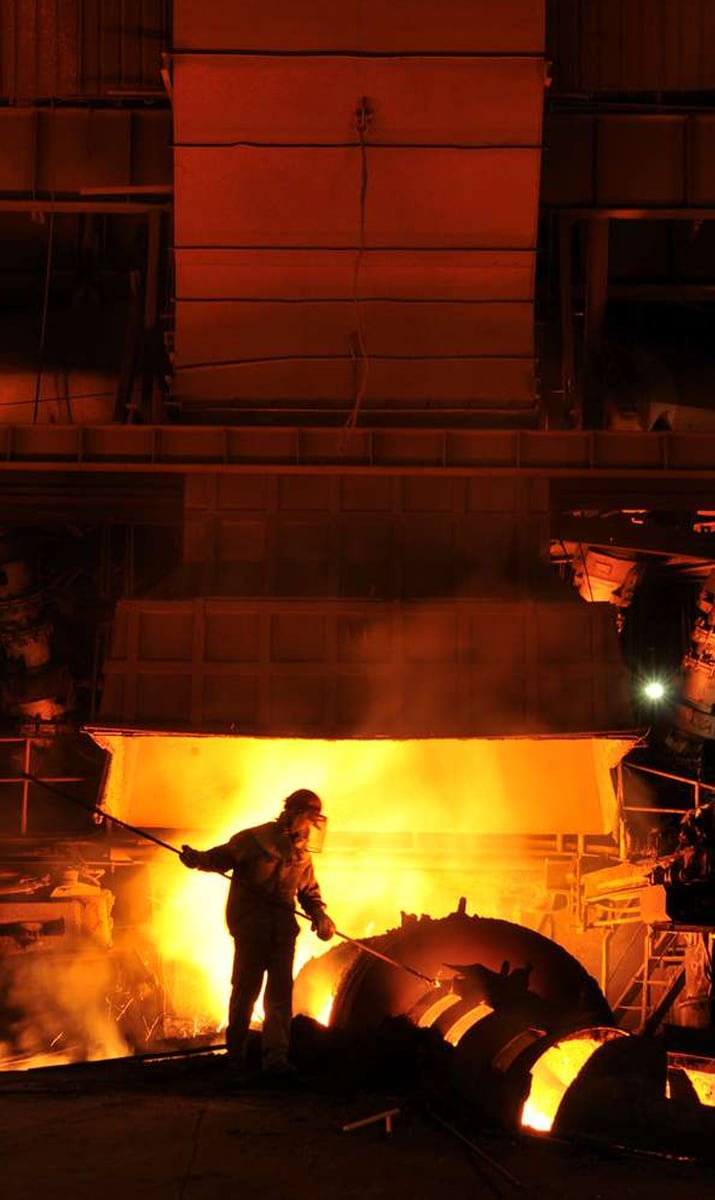
Steel is versatile and is widely used in various industries from construction and infrastructure to transportation, appliances, and machinery. It's manufactured through a process called steelmaking, which involves melting iron and adding small amounts of carbon and other elements to create a material with specific properties. This is completed by either the Basic Oxygen Furnace route or the more modern - Electric Arc Furnace method. 

The many processes involved in steelmaking can generate toxic and combustible gases, which pose a risk to worker safety— some of these include:

  • Carbon monoxide (CO) is produced during the blast furnace process which involves the reduction of iron ore with carbon-based fuel. With the potential presence of H2 (e.g. in Flash Ironmaking Technology process), hydrogen-resistant CO sensors should be used.
  • Carbon is driven off as carbon dioxide (CO2) when pure oxygen is delivered to pig iron to leave crude steel.
  • Combustibles such as hydrogen (H2) produced when water reacts with hot metal. Another is methane (CH4) which is created during the coking process.
  • Hydrogen sulfide (H2S) is created during the decomposition of sulfur-containing compounds.
  • Nitrogen oxides (NOx) 
  • Sulfur dioxide (SO2) is produced when sulfur-containing materials are heated.
  • VOCs, such as benzene, are a byproduct during coke production.

Employers should ensure appropriate ventilation systems, gas detection systems, personal protective equipment, and safe handling procedures are all followed.
steel-worker-gas-detection

CONNECTED GAS DETECTION AND LONE WORKER MONITORING FOR THE STEEL MANUFACTURING INDUSTRY.

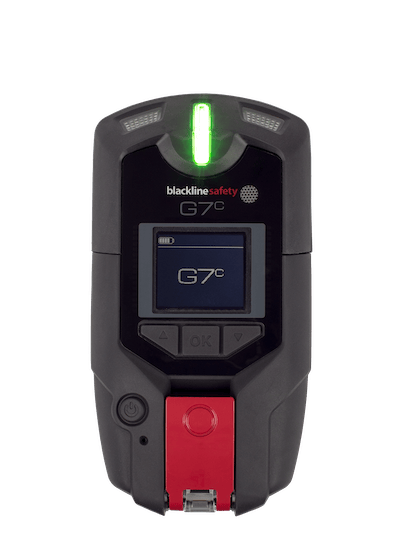
Blackline has a solution to mitigate risks for steel workers that begins with connected wearable gas detectors to help protect them from potentially deadly gas exposures. These devices also offer critical lone-worker capabilities, such as fall and no-motion detection, missed check-in alarms, and an SOS latch for immediate assistance. The second level adds additional protection for the safety of your entire operations, keeping teams aware of potential dangers in real-time when they arise. Together these connected gas detection solutions help to ensure your team's safety until the end of their day at the steel mill.

Seguridad de los trabajadores aislados Detección personal de gases Monitoreo del área
G7c-trabajador-aislado-frente2 Detector multigás g7c-multigas-g7x-single-gas

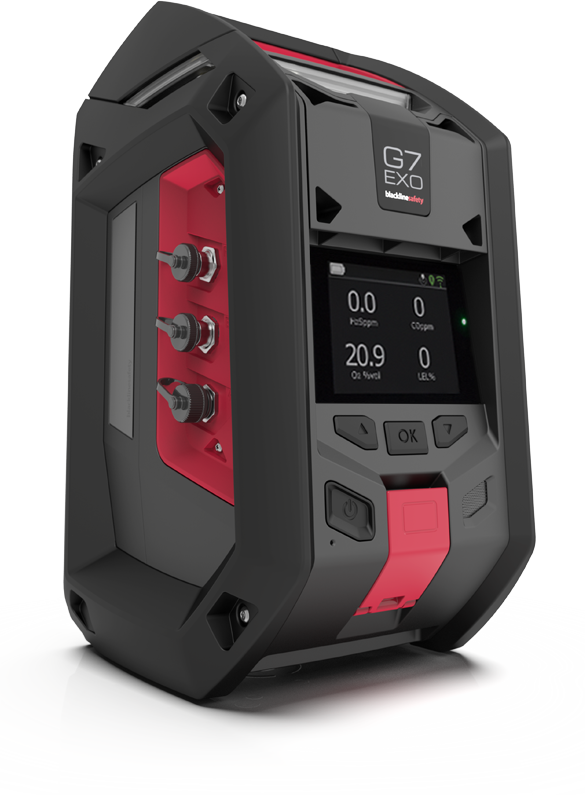
Monitor de área G7 EXO

Lone workers such as electricians, welders, quality inspectors, and plant operators, all work independently within steelmaking processes and may require immediate assistance in case an incident occurs. 

MÁS INFORMACIÓN

With various gas hazards in the steelmaking industry and the requirement for confined space entries, workers need a connected safety solution like a G7 to ensure they are always safe. 

MÁS INFORMACIÓN

When it comes to monitoring the air quality in steel plants, no other product compares to the G7 EXO which deploys in minutes, delivering reliable connectivity for 100+ days, even in the harshest conditions. 

MÁS INFORMACIÓN

Steel Manufacturing Toxic and Combustible Gas Hazards

  • Principales riesgos relacionados con el gas
  • CO is generated during the smelting process, where heat and chemical agents decompose the ore leaving the metal behind. The risky areas include blast furnaces, coke ovens, and boiler rooms.
  • During the breakdown of organic materials of steel production, CH4 can be generated. 
  • H2S is generated during steel production through the decomposition of sulfur-containing compounds. It can also be a toxic gas hazard near coke oven batteries. Hydrogen sulfide poses a fire and explosion risk. 
  • SO2 is often generated during the combustion of sulfur-containing fuels, such as coal and coke, in blast furnace slag pits. To minimize SO2 hazards, steel plants should use low-sulfur fuels.
  • High-temperature operations such as melting and refining steel produce nitrous oxides. Steel plants should install equipment, such as low-NOx burners and selective catalytic reduction systems, that reduce the formation to control NOx exposures.
  • Steel plants can minimize most of these combustible and gas hazards by implementing proper ventilation systems, gas detection equipment, and fire suppression systems, and regularly maintaining their equipment.
  • Many steel-related tasks involve working in and around confined spaces, such as tanks, vessels, furnaces, and pipes. Employers need to ensure training, ventilation, monitoring, PPE, and an emergency rescue plan to prevent CSE risks. Blackline's G7 Multi-Gas Pump can be used for pre-entry or continuous monitoring to minimize the risks involved in confined spaces.
  • Coke oven gases include hydrogen sulfide, ammonia, carbon dioxide, and methane to name a few, all of which can create hazardous atmospheres for steelworkers.
  • Oxygen depletion can be a risk in various stages of steel manufacturing due to displacement by other gases. 

A Bulgarian iron and steel plant had an incident with a blast furnace that was releasing high levels of carbon monoxide. The tragedy involved the death of 3 people and 22 more were hospitalized.

(Eurofound, 2004)

Steel Manufacturing Lone Worker Risks

  • Iron and steelworkers have the sixth most dangerous job in the U.S. according to ISHN (2020). Falling is the most common risk steel and ironworkers face, with tasks like climbing large structures, unloading iron and steel, and also when using equipment to cut, bend, and weld materials. If a steelworker wearing a G7 falls, an alarm will be triggered for monitoring personnel to check on their wellbeing.
  • Operating heavy machinery contributes to many accidents in a steel mill when equipment and safety mechanisms fail. If an equipment operator is stuck in a compromised situation, they (or a fellow steelworker) can pull the G7's emergency SOS latch for assistance, alternatively, a person-down event will automatically be triggered when a person is motionless.
  • Noisy environments in steel mills can cause permanent hearing loss, contribute to more accidents, and make calling for help difficult. The lone worker safety features of a G7 allow steelworkers to request help when audible calls for help will go unheard.
  • The heavy lifting of materials may cause back, neck, shoulder, and knee injuries if precautions aren't followed. The pull of a SOS latch can alert monitoring personnel of a factory worker needing assistance.
  • Explosion and burn hazards are especially high in a steel mill near the coke oven byproduct plant, which is similar to oil refineries. Splatters, spills, or slag from molten matter are other sources that can cause fire or burns.
  • Extreme radiant heat in locations with hot and molten materials. Workers should be cautious of their limits and be aware of heat stroke and heat stress symptoms, IHSA provides an overview of health and safety risks at steel mills.

La conectividad y el software para proteger aún más a tu equipo.

Blackline’s connected safety and robust software offering provide the steel manufacturing industry with solutions that offer ultimate protection from worksite hazards and help you run a more efficient operation.

Seguridad de última generación: el portal en línea Blackline Live le permite gestionar sus dispositivos de seguridad conectados G7, supervisar sus instalaciones y el bienestar de su personal en tiempo real, responder a emergencias e informar sobre los datos recopilados. El simple cumplimiento ya no es suficiente.

Visibilidad sin igual: Blackline Analytics ofrece una visión completa de los datos de cumplimiento, uso y alertas de su flota de seguridad conectada en una única herramienta fácil de usar. Analice datos en tiempo real e históricos para anticiparse a situaciones potencialmente peligrosas y evitar que se produzcan incidentes.

Mayor productividad: los dispositivos conectados proporcionan datos que permiten descubrir oportunidades para aumentar la eficiencia operativa, lo que ofrece la posibilidad de ahorrar millones en ingresos perdidos.

Respuestas optimizadas: la supervisión integral de la seguridad y las notificaciones masivas le proporcionan un control completo y rápido de la evacuación y la gestión de emergencias.

Siempre a su disposición: el Centro de Operaciones de Seguridad interno de Blackline cuenta con personal las 24 horas del día, los 7 días de la semana, con agentes de supervisión formados profesionalmente que se centran exclusivamente en garantizar la seguridad de su personal.

Los dispositivos conectados que necesitas para una seguridad sin igual.

Con el completo conjunto de dispositivos de seguridad de Blackline, obtienes un ecosistema completo que no deja ningún aspecto de la seguridad de los trabajadores o del lugar de trabajo al azar. Ya sea que necesites monitoreo de seguridad personal, detección de gases o monitoreo de áreas, todas las soluciones G7 ofrecen conectividad y versatilidad listas para usar.

Protección fiable: monitorización de gases combustibles inmunes al veneno con detección LEL de amplio espectro.

Ejecución eficiente: conéctese en cuestión de minutos, independientemente de dónde se coloque o se lleve el dispositivo.

Diseñado para condiciones extremas: afronta condiciones difíciles y duras, en cualquier lugar de trabajo, en cualquier parte del mundo.

Listo y fiable: los más de 100 días de duración de la batería del G7 EXO permiten que los dispositivos permanezcan en funcionamiento durante más tiempo, lo que reduce la mano de obra necesaria para cambiar las baterías o los dispositivos y el número de permisos requeridos.

Conectividad directa a la nube: conectividad celular líder en el sector y conectividad satelital opcional para zonas remotas (por ejemplo, lleve el puente satelital magnético desde su camión hasta su vehículo todoterreno), transmitiendo todos los datos directamente a la nube.

Bajo coste de propiedad: la batería de larga duración del G7 EXO elimina la necesidad de comprar monitores adicionales, lo que supone un ahorro de decenas de miles de dólares. Además, gracias a los dispositivos wearables conectados, es posible localizar fácilmente un dispositivo perdido.

Alerta inmediata: las alertas por mensaje de texto y correo electrónico le mantienen al tanto del estado del dispositivo y de las situaciones activas.

Sin tonterías: elimina la necesidad de factores de corrección LEL, minimizando evacuaciones innecesarias y costosas debido a lecturas falsas.

Máxima flexibilidad: miles de configuraciones de detección de gases disponibles en detectores de uno a cinco gases, con o sin bomba

Seguridad sin concesiones: amplias funciones de seguridad para personas caídas, como detección de caídas, alarmas por falta de registro, un botón S.O.S. para pedir ayuda inmediata y detección de inmovilidad, comunicaciones bidireccionales y función pulsar para hablar.

RECURSOS ADICIONALES

EL VALOR DE LA SEGURIDAD CONECTADA PARA LA DETECCIÓN DE UN SOLO GAS

Aprovechar los datos para crear un programa de seguridad proactivo y eficiente.

La detección de gas conectada ya no es una tecnología del futuro. Está aquí, en
, y es más económica, sostenible y sencilla de lo que imagina.

NO DEJAR A NADIE ATRÁS

CÓMO LA TECNOLOGÍA DE SEGURIDAD CONECTADA OPTIMIZA LA GESTIÓN DE EVACUACIONES

La gestión de evacuaciones es un elemento necesario de la planificación de seguridad para las operaciones petroleras y gasísticas. Es fundamental estar preparado para evacuar al personal de forma rápida y segura en caso de emergencia, ya que cada segundo cuenta cuando hay vidas en juego.

GAS COMBUSTIBLE Y SU DETECCIÓN LIBRO BLANCO

FICHA INFORMATIVA SOBRE SENSORES DE GAS COMBUSTIBLE Y MPS

Steel Manufacturing Lone Worker Safety Case Study

Contáctenos para obtener más información.