


Intro to Sulfur Dioxide Gas
Sulfur dioxide (SO2) is a chemical compound belonging to a family of sulfur oxides with the formula SO2. It is a colorless gas with an irritating, pungent, and suffocating odor, and is highly toxic. As a result, SO2 poses a significant threat in many workplaces. Even at low concentrations, prolonged exposure can lead to breathing difficulties and damage to the respiratory tract. Typical applications of sulfur dioxide include its use in the production of sulfuric acid, paper, and textiles. Unlike the values of other gases, SO2 is very reactive and can combine with water vapor to form sulfurous acid, a major component of acid rain.
SO2 is primarily produced from the burning of sulfur-containing fuels, such as coal. The data shows that the primary source of anthropogenic SO2 emissions is the burning of fossil fuels, particularly coal-fired power plants. When coal is burned, sulfur impurities in the coal react with oxygen to form SO2 gas. This gas is then released into the atmosphere, where it can contribute to air pollution, acid rain, and respiratory problems. The range of effects SO2 can have on health is broad, and it is important to monitor its concentration in the air, especially in areas close to power plants.
In addition to its harmful environmental effects, SO2 can combine with other pollutants to form sulfate aerosols and sulfate particles, which reduce visibility and harm human health. These interactions make it critical to monitor the levels of sulfur dioxide in the atmosphere over time.
SO2 is also produced naturally through volcanic activity and biological processes, but human activities significantly increase its concentration in the environment. For industries using SO2 in applications such as food preservation, it is crucial that systems are designed to limit exposure and emissions.
For workplaces that handle sulfur dioxide, it is ideal to use a gas detector that can accurately measure SO2 levels. Gas detectors are designed to monitor the concentration of dangerous gases and provide important data for ensuring workplace safety. A reliable gas detector, especially one with a long-lasting battery, can help reduce the risk of sulfur dioxide exposure. These devices are an important tool in protecting employees and the environment.
In order to minimize sulfur dioxide emissions, strict regulations and pollution control technologies must be implemented. Reducing SO2 emissions from industrial processes not only protects human health but also helps mitigate the effects of acid rain and haze, which are hazardous to the environment.
Características del gas
- Incoloro
- Más pesado que el aire
- Suffocating, irritating, pungent odour (often described as "burning matchsticks")
- If heated, can explode
- VERY toxic
- Corrosive impact on the respiratory tract
- Can make breathing quite difficult
- Reacts violently with halogens & strong bases
- Also known as sulfurous anhydride and sulfur(IV) oxide and can be spelled sulphur dioxide.
- CAS 7446-09-5


Industrial SO2 hazards and sources
- Any industry where it is present as a by-product, including copper smelting & power plants
- Pulp and paper mills
- Chemical processing
- Metal smelting and processing
- Oil and petroleum refineries
- Manufacturing of fertilizers
- Manufacturing of sulfuric acid
- Cement manufacturing
- Food and beverage processing
- Glass manufacturing
- Sewer and wastewater treatment
- Other industrial facilities burning fossil fuels or coal
- Can be generated endogenously in mammals
High concentrations of SO2 can affect lung function, worsen asthma attacks, and worsen existing heart disease in sensitive groups.
(National Park Service)Escenarios de alto riesgo
- As sulfur dioxide exposure can make breathing difficult, those with asthma are particularly at risk.
- Naturally occurs in smaller quantities in volcanoes and volcanic eruptions.
- Any industrial process that burns coal or petroleum.
- Automobiles, ships, trains and other fossil-fuel burning methods of transportation will emit it.
- Heavy equipment that burns fuel with a high sulfur content is also a common source.
- Petroleum production and oil refining have numerous process that can lead to sulfur dioxide exposure.
- Nearly all production processes involving metals pose a threat (aluminum production, steel production, forging, molding and core making, smelting copper or lead, metal extraction and refining, etc.)
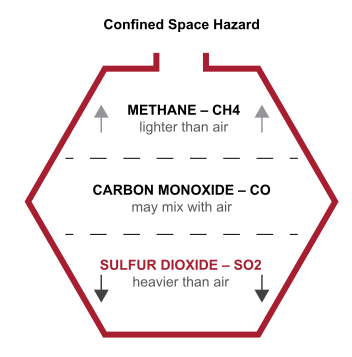 Confined space entry hazard: sulfur dioxide is heavier than air so can accumulate in the lower sections of confined spaces.

PRIMEROS AUXILIOS
- If INHALED, move the impacted person to fresh air, and prevent them from moving around unnecessarily.
- If breathing is difficult, trained staff should provide emergency oxygen.
- Call poison control or a doctor IMMEDIATELY and transport the victim to a hospital.
- If SKIN CONTACT is made, gently apply lukewarm water to the impacted area for 5 minutes and call poison control/a doctor (if the affected area is the eyes, ensure the victim's eyelids are open).

EN CASO DE LIBERACIÓN ACCIDENTAL
- Wear chemical-protective clothing, as well as safety goggles and a face shield.
- If you are wearing the necessary safety equipment, remove the sulphur dioxide from the area if possible.
- Ventilate the impacted area as much as possible.
- Try and knock down sulphur dioxide gas with fog or fine water spray - be aware, the resulting sulfuric acid is corrosive and toxic.
- If the leak is very large or difficult to control, contact local emergency services.