


Inna Rabkin is a Senior Product Manager in connected safety and industrial IoT, with nearly two decades of experience advancing mission‑critical technologies that protect workers and accelerate emergency response. Known for translating complex field realities into intuitive, scalable solutions, she brings a unique background spanning frontline safety operations, system implementations, and product leadership. Her work focuses on elevating connected devices, cloud intelligence, and integrated workflows to prevent incidents and empower responders in the world’s most challenging environments.
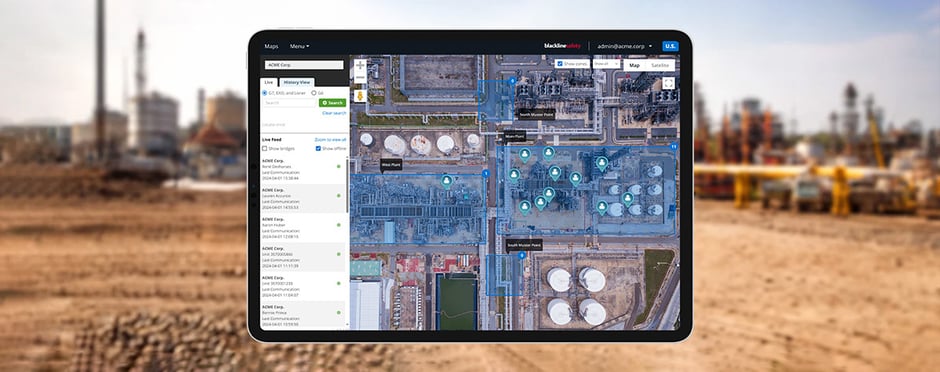 Across industries, organizations are moving beyond raw GPS tracking toward contextual awareness. It's called Zone Intelligence, and its use in safety planning is on the rise.
Zone Intelligence builds on industrial geofencing by enabling organizations to draw, name, and manage digital zones across a live map of their worksite. These zones represent real operational areas—like muster points, confined spaces, gas collection areas, break areas, access roads, or hazardous high-risk areas.
When wearable safety devices move through these zones, their location data is automatically tied to context. Instead of raw coordinates, teams see activity in terms that reflect how the site actually operates.
For example:
- Tracking: "Devices 315, 316 and 317 are at coordinates X, Y."
- Zone Intelligence: "Three workers are currently in Pump Station A."
That difference matters.
Watch our Zone Intelligence Overview:
Zone Intelligence transforms location data into insight by connecting:
- People (employees, contractors, crews, supervisors, emergency responders)
- Patterns (movement, dwell time, congestion, exposure)
- Performance (incident rates, response times, exposure levels, compliance)
- Place (named, meaningful areas of the site)
This approach allows leaders to analyze both real-time conditions and historical trends, without needing to interpret maps full of anonymous dots.
Most importantly, Zone Intelligence isn't about tracking. It's about understanding behavior, identifying hazards, reducing risk, and improving how work gets done.
By putting meaning behind location data, Zone Intelligence brings faster decision-making, clearer communication, and fewer errors—especially during time-sensitive or high-risk situations.
Safety leads don't need to translate GPS coordinates into action. Operations teams don't need to visually scan maps and count pins. The system does that work for them by drawing digital zones, assigning a familiar name to them, and defining the hazards associated with that zone.
This shift from raw data to contextual insight is what separates tracking from intelligence. The focus is on broader trends and patterns, not individual behavior. The goal is better planning, faster response, and reduced risk. When implemented transparently, geofencing becomes a shared tool that supports workers, supervisors, and leadership alike.
Use Cases: Zone Intelligence in Action
While Zone Intelligence is relevant across industries, its true value becomes more evident when you see how it plays out in real operational scenarios.
1. Streamlining Mustering During Drills and Real Evacuations
Traditional mustering is slow, manual, and often inaccurate. Many industrial sites still rely on printed rosters, radio calls, and repeated headcounts during drills.
Digital mustering uses a cloud-connected platform and device check-ins to automatically confirm who has reached a safe area in real time.
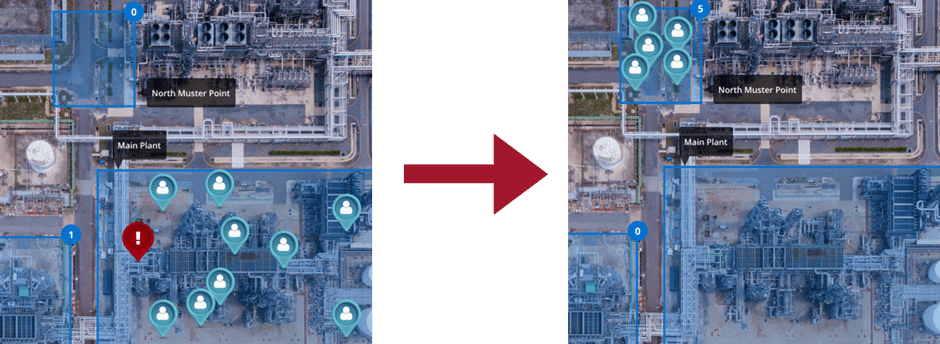
With Zone Intelligence, muster zones are clearly defined on the map. When an alert is triggered, safety leads can instantly see how many workers are in evacuation zones versus muster points. Workers check in automatically when they enter the muster zone with their devices.
The result? Faster drills and evacuations, clearer accountability, and significant time savings.
2. Managing Contractors During Shutdowns and Turnarounds
Shutdowns and turnarounds bring an influx of contractors—sometimes hundreds per day. Operations teams know that productivity varies, but measuring it objectively has always been difficult.
According to Deloitte, contractors now represent up to 30–50% of the workforce in many industries.
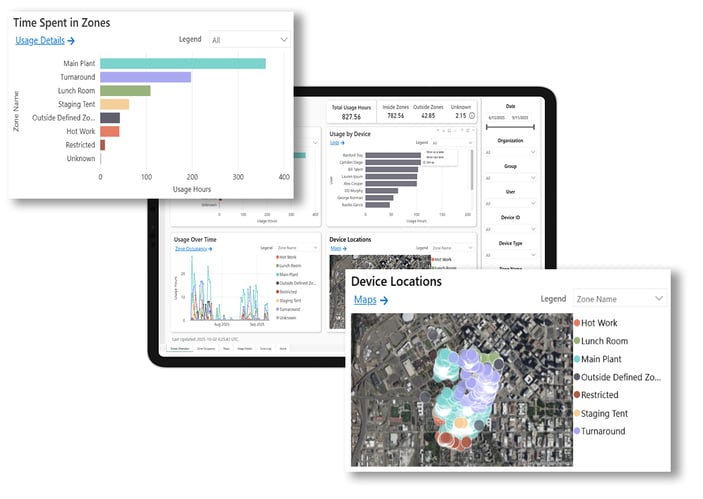
Zone Intelligence provides a clearer picture by showing time spent in productive versus non-productive zones. This isn't about policing—it's about accountability and transparency.
For example, a contractor could use zone reports to demonstrate how efficiently their crew worked, helping them secure a larger scope on the next project. The data doesn't just identify gaps; it can create opportunities.
3. Monitoring Remote Crews
 Remote work environments create unique challenges—especially in places where Google Maps gives up long before your crews do.
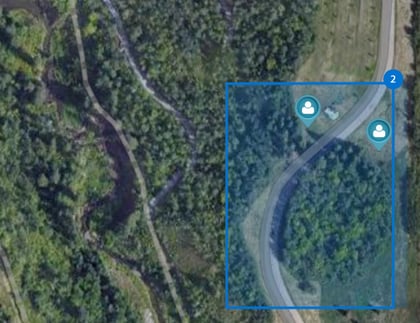
Imagine a safety operator in Calgary, Canada, supporting teams working along winter roads in the Yukon. Snow, ice, limited visibility, and routes that don't officially exist on maps.
With Zone Intelligence, teams can draw and label custom zones for local roads, access points, and remote work areas. This gives operators better visibility for route planning, dispatching, and emergency support—providing peace of mind when conditions are unpredictable and help may be far away.
4. Tailoring Alert Protocols to Site Realities
Some worksites are constantly changing. Hazardous areas shift as operations expand, move, or close off sections of the site. The same is true for fire and hazmat teams who work in hot, warm, and cold zones when responding to incidents.
Zone Intelligence allows these dynamic environments to be reflected accurately on the map. When an alert is triggered, response teams don't just see a location—they see context.
"This alert is in Zone 3B: the East Side Flare Station."
That clarity changes everything. Response teams instantly understand the risk level, the equipment involved, and the appropriate protocol. Over time, organizations can even build zone-specific alert workflows, ensuring the right response happens automatically, every time.
5. Ensuring Safe Exposure Limits and Compliance
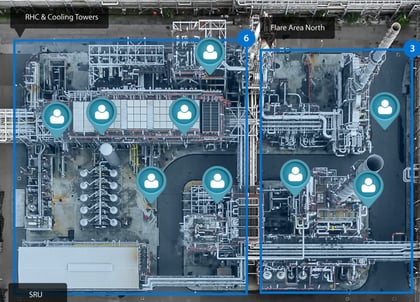 In high-risk environments like petrochemical facilities, certain "Red Zones" have strict exposure limits due to chemical or environmental hazards.
Without smart zones, tracking time spent in these areas is largely guesswork. With it, safety teams can generate daily, weekly, or monthly exposure reports. If someone exceeds a safe threshold, the team knows immediately.
That insight enables proactive follow-up, task review, and risk reduction before an incident occurs. It's compliance backed by data, not assumptions.
6. Reducing Zone Congestion and Bottlenecks
Operations managers often ask a simple question: How many people are actually in this area right now?
Before Zone Intelligence, answering that meant scanning maps and counting pins. Now, zone counts are automatic.
For example, if too many workers enter a small containment area, managers see it instantly. This visibility can reveal scheduling miscommunications—like two crews being dispatched to the same job. By spotting congestion early, teams can reassign crews, adjust shifts, and optimize layouts to improve both safety and efficiency.
Turning Movement Into Meaningful Data
Zone Intelligence isn't just a technical feature. It's a foundation for modern safety and operations management. Zone data matters because it tells stories about how your site really operates.
By putting real names to real places, smart zones bridge the gap between location data and real-world activity. Whether you're managing remote crews, running drills, optimizing workflows, or monitoring incidents, it gives leaders the clarity they need to act faster, plan smarter, and operate safer.
Heatmaps can reveal workflow imbalances. Usage trends can expose chronic bottlenecks or underused spaces. Time-in-zone analytics help EHS leaders verify safe exposure limits and support audits with clear, traceable records.
During emergencies or drills, real-time zone data provides instant clarity. Teams know who's safe—and where attention is needed—within seconds.
Blackline Safety's Personal Gas Detectors and Lone Worker Safety Devices include ZoneAware™ functionality that can help you turn movement into insight, and insight into action.
Interested in learning more about our connected safety platform? Book a personalized demo with our team today.