Everyone. I'm Natalia Bien with BIC magazine. Welcome to our webinar on how to improve safety and efficiency during complex shutdowns and turnarounds. First, a few pointers on the webinar console. Use the Q&A box to type in questions anytime during the presentation. The Q&A will occur towards the end. On the top menu are some useful features like related content and a certificate of attendance under engagement tools.
Today's sponsor is Blackline Safety. Blackline Safety is a technology leader driving innovation in the industrial workforce through IoT. Blackline provides wearable devices, personal and area gas monitoring, cloud connected software, and data analytics to meet demanding safety challenges and enhance overall productivity for organizations with customers in more than seventy five countries.
With connected safety devices and predictive analytics, Blackline enables companies to drive towards increased safety and improved operational performance.
Please visit them at blacklinesafety.com. Now I'd like to hand over the mic to Daryl, who is our moderator for today.
Well, you, Natalia. We're very excited to, be participating in the in the webinar today. I think it'll be, very engaging, and and luck would have it that our panelists have recently all executed some projects of their own, so it's, gonna be fresh in their minds.
A quick few other, items about Blackline quickly. Our goal is always just to elevate how workers are protected with robust technology, enable them to get the job done and get home safely, and that's the ultimate goal.
To do that, it takes more than just devices.
So Blackline has a wide range of tech enabled devices and services that can take what gas detection can do to the next level from wearables that bring advanced communication to the lone worker, customized visibility, the way to data analytics.
And without further ado, I'd like to introduce our panelists today. My name is Darrell Dowd. I'm Blackline rental sales manager.
Be joined by one of my colleagues, Nathan Bond, rental sales specialist.
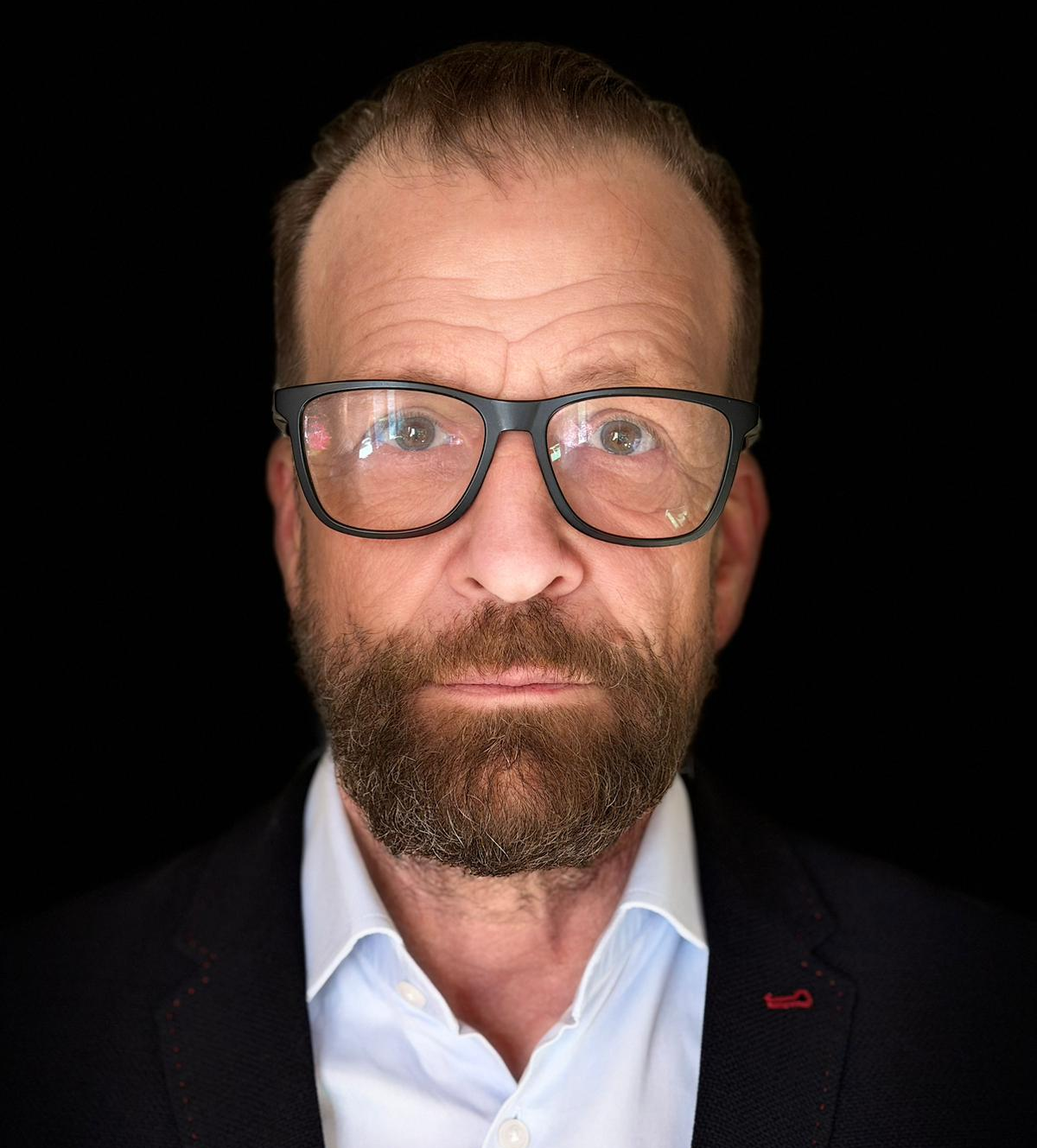
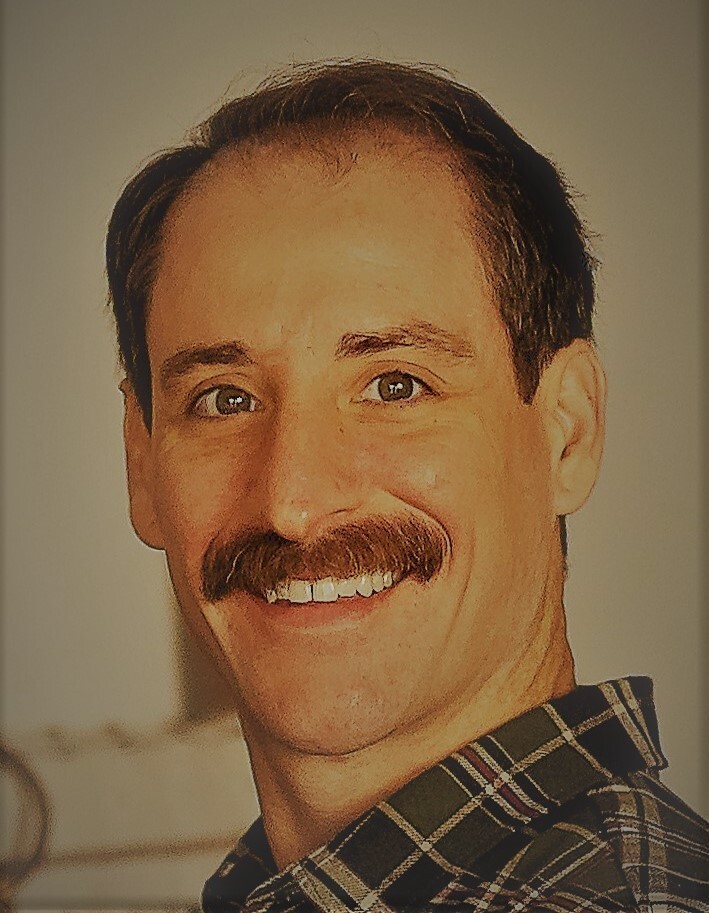
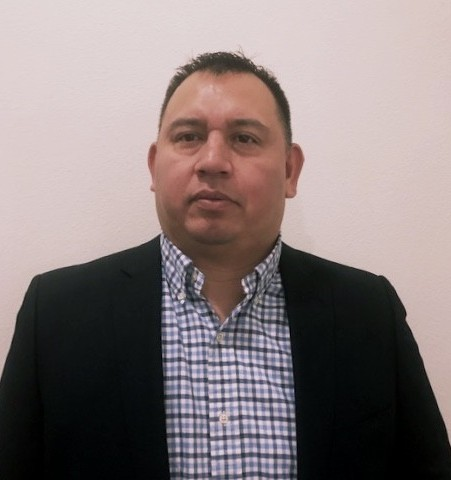
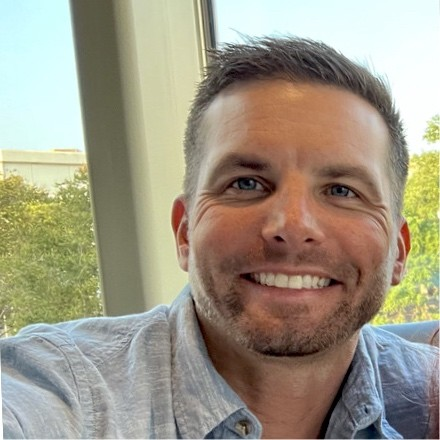
We'll have, Jed Robinson is, a safety, representative, HSS with HF Sinclair, Chris Darr, turnaround event manager, LyondellBasell, and John Brazeal, who is currently trying to solve some technical issues, and I'm hopefully that he'll be joining us very shortly. So I really appreciate you guys, joining us today and and sharing your experience, learnings, and best practices.
Started. I think we all know shutdowns and turnarounds have a life cycle, with each phase dynamically affecting what or how many challenges the following step will have. Each of these buckets can pose challenges in one or or all phases.
How these are identified, considered, managed will set up success and or failure in the next.
This is one of the reasons projects like major maintenance events and turnarounds are some of the most difficult to execute in the industry.
To this point, I'd like to base it on the life cycle, and where we see some of the pressure can build in these, I'd like to get started with the panellists and see maybe which bucket do you think is the most underrated or perhaps common and why? And then in your experience, how can this be improved? Maybe Jed, if I could pull on you to start off with us.
Sure. Yeah.
In my opinion, I mean, you kinda got a couple different parts of this question. If I remember the slides, you kinda got the at above, you got the arrows, different lines of a turnaround or shutdown, so planning and then you've got the actual scope. But I guess in my opinion, I think one of the most underrated would probably be scheduled adherence and scope change, to kind of take from one of my turnaround or our turnaround manager here, who always says slow, smooth, and smooth is fast. So, one of his biggest pet peeves, and I've learned, something to kind of focus on is to ensure that you in the work in the field that you remind people to, take it slow and do it right the first time because rework could be some of the most dangerous work because you're doubling risk. So I don't think people put enough emphasis on that.
And then I think to kind of round that out, the other top two that I'm trying to keep with the theme of underrated and common would be probably onboarding of short-term contractors. It could be easily forgotten.
I think what gets a lot of emphasis nowadays is HaZOp, more SIEM ops, simultaneous ops. I think it gets a lot of focus, but, I don't think everybody really understands exactly what it is or people have different outlooks on what that means. But, yeah, so I think those are probably my opinion on on those categories.
Sure. Sure. I know that everything seems to have a cause and effect when it comes to this. So maybe maybe, Chris, for the front end, I think we can all agree that that's where a lot of the battle is won and lost, and how hard the fight's gonna be, in the planning phase too.
You know, do you have a couple of ideas, or where do you see where you can make a big change or some impact that'll make the rest of the phases a lot less stressful?
I think a lot of impact, not maybe so much change, but emphasis, you know, upfront in your scoping and planning, you know, understanding all of your process systems and the hazards associated with all that as you're planning, putting all the jobs together.
Like Jed had said, when you're onboarding your short-term contractors, you know, making sure that, you know, the company and the site safety expectations are well understood and agreed upon.
You know, the larger ones, so if you got, you know, six, seven hundred people a ship for one contractor, pretty easy to catch those guys. It's the smaller ones that slip you know, crew here or there, maybe they're intermittent, maybe they you know, days only, they've got five, ten guys.
You know? So whatever emphasis we put on onboarding our contractors or even company folks from other sites and just really making sure we're getting the big ones all the way down all the down to the, you know, to the small ones. When we're all out there, the hazards are the same. It doesn't matter what company you work for, how big the operation is.
So What kind of challenges do you see?
Is it how far out can you start doing that type of onboarding? Does it depend on, I guess, the size and the scope and the staff that's coming in?
Yeah. I think from a you know, from an overall standpoint for getting the company and the contractors to agree on, that can happen, you know, months in advance from a system standpoint, make sure we have all the same systems in place.
But when it comes down to the actual worker, you gotta get them, you know, the first day on-site to make sure they're, you know, that they've done their Houston Area Safety Council, and they've done, you know, some other maybe, you know, training in order to be available to to even, you know, come on-site. But once they get there, you really need to be in front of those people, be, you know, clear, be passionate with them. Hey. We're serious about this, as you should be.
Right? So, and then and then and then it's just it's daily after that. Right? And keeping that fresh can be a challenge in itself.
Right? It's just day after day after day, but we try our best.
I think so. But I think that kind of follows falls into the communication coordination bucket you got. I've kinda got that. That kinda is is is an aspect that touches everything, right, in each step, planning, execution, in each, you know, onboarding short-term contractors, schedule adherence, all that communication coordination is always like the first step.
So the quicker the better, but he's right in saying that you could talk to the management, talk to the company months out and do your planning. But I think the biggest value is when the field workers get there, getting face-to-face. That's the challenge: trying to figure out how much time you can invest in that, in training on-site when they get there. You know, everybody does the safety council, the base training, but like, how are you going to communicate your systems?
You know, touch on what Chris said. It's about communicating your company's way of doing things, your expectations, like, based on prior turnarounds, your biggest issues. Like, that's what I feel like is the biggest value, is to narrow it down to what your main expectations, what you want them to focus on, that allows a positive execution.
Yeah. Yep. Yeah. Very good. I think, you know, talking a bit about some of these pain points that exist in different phases and in all phases, I mean, we can maybe look at some of the common incident drivers during events.
It's interesting. Most incidents don't start with the hazard itself. They start with a breakdown as to what you said, Jed, usually in communication, some visibility or decision making. Sometimes someone doesn't have the latest information. A condition can change that wasn't communicated, or the response is delayed because people, like, weren't aligned. So communication is key, and that's where small issues can start to escalate into and become incidents themselves.
Do you think that, in your opinion, maybe, and Chris, back to you, is there an area where you think risks are underestimated?
Or which risks are underestimated?
Yeah.
So I've the way I kind of have driven it home is this, this time pressure bullet. Right? So, especially in the turnaround world, everything is, you know, it's a short duration or schedule-driven.
That's well understood. But, you know, how does how does time pressure get from one level, you know, to the next? And then, you know, ultimately down to the person performing a task, which, you know, in us and our and our organization, it's our responsibility to make sure that, you know, that doesn't funnel down to any craft personnel or anybody that's, you know, could potentially put themselves in harm's way. So, that's a message I really drive home on every turnaround to the frontline leadership. So Yep. You really, foremen are the people that are, you know, face-to-face working with these folks every day.
If the craftsman feels pressure from their immediate foreman, they're gonna feel pressure. Right? Yeah. So somewhere that's somewhere that pressure has to stop.
Like, me and my role, I'm gonna feel the pressure. You know, it's my obligation to bring a turnaround on schedule. I don't need it shouldn't go any further than that. Right?
No one should feel any other time pressure other than myself is the way I see it.
Right.
So I feel like that can get lost in a general statement of, like, you know, just telling the whole lunch tent, hey. We're not in a hurry.
Don't get in a rush. You know? It's easy to say.
But when you leave the tent, if at every level is getting, you know, getting pressured, the person below them, it eventually will get down to, you know, rushed craft craft personnel, which is gonna inherently result in cutting corners, injuries, process safety hazards, I mean, you name it.
So Yeah.
Yeah.
I see you off of my sorry.
I'll borrow from my turnaround managers. My turnaround manager has great sayings and quotes, so I'll keep going back to him. I've learned a lot from him, but he always states this over and over. The one main thing he wants is that the schedule is never discussed in the field.
Like, we'll discuss it up in the war room management level, but that is never to be discussed in the field. Because no matter what, as you said, you could say it all you want, but unless you practice it around the workers, if you start discussing time, schedule, then all bets are off. Pressure's there. That's a great point, Chris.
Yeah. For sure. And I think once you factor in things like fatigue, those types of things, people that normally maybe don't work together are now working together, all of these things can be a very big contribution to it as well.
Hey, Daryl. Can you hear me?
Yes.
I apologize, guys. I had some technical difficulties, but, I guess you can hear me, but I think you can see me.
We can't see you, but we know you're there, John. So welcome to the Yeah. Welcome to the team here.
Yeah. I appreciate that. So, hey, I would like to add on that point too. You just hit the kinda one of the things that I had in my notes there was the unfamiliar teams. Right? That's one of the things too that I think is we when we bring in contractors, we all you know, there may be an assumption out there that it's the same group of guys every job, right? The same group of guys who have worked together consistently.
Several of the investigations of incidents that I have been a part of, when you get down into it, a lot of times, these guys are these contractors, you know, they have a core group of guys that they use.
When they get to a certain point, though, to meet turnaround requirements, you know, let's say they got a hundred core guys, so they got a two hundred man turnaround, that's a hundred guys that they don't know or a hundred guys who maybe have a different culture somewhere else.
Right?
Right.
So now, so now we where, where does that go back to the original, you know, how do you get them trained up correctly? So, you know, that's something that, you know, I think that we battle on every outage that we face.
Sure. Yeah.
As you know, I think a lot of those, you know, these drivers have been around for quite some time, and they may occur in different amounts on different projects, but you try different things to solve them.
And, you know, they get current different circumstances.
You know, industry is moving faster and faster towards the use of technology, evaluating, and adopting new technologies.
I'm just kind of seeing in some of these problem areas that we're having, you know, that technology doesn't remove our risk, but it can sure reduce some of the uncertainty around it.
When we talked about communication visibility, you know, some data flows, how we get people together.
Just really curious to see what your guys' thoughts are on some of the, you know, the different technologies that are being, you know, created, tried, used out there.
Maybe where are you, where have you guys seen technology being employed, and you can maybe apply it to some of your other challenges where it's made a big difference during execution?
And if Jed, if you got some, I'll start with you.
Yeah. I mean, like I said, I mean, just communication, real-time or live data. There's so many tools that are coming out right now. It's the most overwhelming with AI and, data, visibility.
And, I think that's probably one of the bigger hurdles now is not having used to be that you don't have the technology to have real-time data. Now it's like, which ones do we actually use? And you gotta be careful. You can almost overdo it.
But, obviously, I'm a big don't get me wrong, big proponent of using technology, especially if it's vetted and it has value, right? You can put a lot of time in technology that doesn't have much value. So you've got to really be careful. But one of the main things, I guess I'll draw from, from our last 25 turnarounds that we did a big change, was probably from the standpoint of previous turnarounds in the war room.
We have big meetings. We were you know, it was all like, I guess, got charts, hand drawn, whiteboards, easels, stuff like that. We print out paperwork, but it it is never live. It's always real behind.
So, you know, even in a meeting, we'd be discussing jobs that were complete, and we're discussing, you know, more halfway through it, we weren't aware that where we were at actually. Now it's different. Our team, for example, we use p six. A lot of people do it for planning purposes.
But, we plug that in, not only that, but a lot of things I use as a safety, personnel, but our, turnaround folks for planning and actual scheduling use p six and, linked it directly to Power BI. So there's real-time data. Our war room was a whole room covered in touch screen, big screen TVs that were connected to live data. And also what I had on the safety TV because I had my own two TVs.
So one of them was Power BI connected to our assessments, like our safety assessments and our, you know, incident reporting and all that live. But the other screen was also Blackline Live. You know, Blackline uses, Power BI for their data analytics, which I love because I could put that right in with mine. Just another report right there.
So we had real-time data of all the monitors we used this time. It was the first time we used all Blackline from the handheld five-gas to the EXO area monitors, which was great for live flare jobs or just find space monitoring. I had it in the palm of my hand, you know, have live alerts anytime we had alarms, I could different set point. Now I could go all day on the technology that we use this time as opposed to just a few years ago.
All great solutions. Just gotta be careful to to pick the right ones and understand how to use it.
Yep. For sure.
John, what are your experiences with as, you know, we get more connected out there in terms of what do you see being used to improve some of these challenges that we have?
Well, I think one interesting point is like a digital confined space. Remember, 15 years ago, twenty years ago, when that first came out, nobody used it.
Nowadays, it's a pretty, you know, common practice that we use, you know, anytime we have a long-term confined space. Anyone who's, you know, on the fence about using that system, I've seen that system work and actually save lives.
So digital confined space area, again and again, it's becoming it's more of a common factor across all facilities, lot of the facilities that I've worked in.
And then you start going into all the other different aspects, like the Blackline connected worker assets, possibilities that they've done, the AI technology, electronic permitting systems that they have out there. We use a GoWork system. We use it tied in with Mobidio, using all the Power BI connections.
And you're seeing that traction just kind of becoming more and more standardized across all your facilities, right? To Jed's point too, you just have to go through and kind of go through, test it and see exactly what makes sense for your organization, what makes sense to implement for your event. So again, there's a lot of different tools and widgets out there. You just have to again evaluate each one individually on a case-by-case basis and see what looks best for you.
Excellent. Excellent.
You know, I think, you know, given the use of of technology, you know, implementing learnings project to project, maybe if we, you know, drill down to into a few of the largest contributors or the success contributors to success or problems during an event, we can we can maybe look at, like, probably something that we've we've all of us have mentioned multiple times is layer in this nature of of communication. Multiple teams using different channels, different processes.
It's and sometimes different expectations, and and you you you talked a lot about that too.
I think all of you have mentioned it about, you know, how do we get everybody pulling the rope in the same direction as a unit that wants to get the job done safely?
Conditions change quickly. It becomes very easy for critical information not to reach the right person.
Communication plays into almost every part of the organization because you have to get messages across in ways that people understand them. So the question to it is, how do you see good or bad communication affect things like morale and momentum of a turnaround? And, you know, are there any tricks to the trade of how to improve those things? Maybe, Chris, I mean, what are your thoughts on that?
Yeah. I mean, to the morale standpoint, you know, these are all these are all people just like you and I working. And I think, you know, high morale, people have a safe place to work and a comfortable place to, you know, I mean, basic needs, lunch, restroom facilities, things like that.
It can be, you know, boost morale, which overall just makes the job run smoother.
Communication, I mean, yeah, often fragmented, definitely. You know, we have radios. We've got, you know, emergency alarm systems, you know, should, you know, should it be, you know, some, you know, emergency mass communication events.
But I'll let John key in on the morale. I know he had some good words the other day about it, but too much from here.
Alright.
Yeah. I was I, you know, I brought that morale issue in our conversation the other day because I've seen it I missed the first part of the I I was a little late, but the way I like to look at it is like a football team.
You know, for my life, I coached, and we talked about morale, right, and about how, you know, you know, there's a lot of common phrases out there. You know, one bad apple can, you know, ruin the batch.
The morale issue to me is a huge factor, especially from a safety standpoint, because it all comes through us. If I'm a safety manager on a project, the porta-cans aren't getting cleaned. Right? The lunch tent is dirty.
The buses take too long to get people out to the field. There's the parking lot is congested. Right? It doesn't matter, but that's where it starts at.
Those are the things that, you know, can really affect the overall mindset.
We're talking about safety. We're talking about a mindset. Right? The overall mindset of everyone on that site during the execution of this project.
If they come in with a bad attitude, they can't park, parking is terrible, the porta-cans are always dirty, the lunchroom is chaotic, it's a mess, it's too small. We gotta do this. We gotta do that. Those things add up, and that is a recipe for someone not having their head involved and engaged in a safe day on a turnaround.
So that's why I always try to really make a big emphasis on those aspects, because to me, that's where it starts. And again, that goes back to the communication piece of it. That's I'll vouch that side had a bad communication at some point in order to get that set up. If we had good communication, those things would be addressed there and on the front end so that we don't run into those guidelines.
Alright. Thank you. You know, in saying that, I it is and I know that you guys know this better than than anyone is that it's it is it is a challenge, but how do we improve this through the different levels of teams? So we you know, between from coordinators, supervisors, down to the line worker. I know, Chris, you talked about, you know, having that you'd be in that buffer zone between them when it comes to the pressure side, but how do we how do we get how do you ensure that your messages are being heard all the way down to the line worker?
You know, that most of that messaging will happen before the shift begins, you know, and a turnaround wide safety meeting. You know, it's not just a safety topic. It's really our only opportunity to get in front of, you know, everyone on-site of any change in unit conditions, you know, new hazards from, you know, night shift to day shift, vice versa.
And I'll use COVID as a good example. We had a major turnaround right there in March of twenty twenty twenty, you know, when COVID hit, and it was a, you know, stressful time. But, you know, we really keyed in on just being honest, you know, with, with everyone on-site, whether it was, you know, new regulations, you know, for whether that's, I've forgotten all the terms now. It's been so long.
Kind of, whether it's mask or, spacing, taking temperatures to the gate, like, name it. Right? You know, possible people that were sick. So we I think if you're just if you're honest with your folks and you you're diligent about, you know, anything changing conditions, any hazards that they, you know, could encounter once they step into that unit or step into their to their work area.
And not everyone has a radio. I mean, it's a little, it'd be tough to give every person on-site a radio, but everyone has a radio, everyone knows somebody with a radio, you know, put it that way. So as far as, you know, real time communication, that's can be a barrier. Right? I mean, it's an electronic system that sometimes has a lot of chatter on it. You can't get through this and that, but I think we get better year after year.
Yeah. Think accountability with your you know, make sure you have a good team around your team, but also in contractors.
You know, when you go out and get contractors, the earlier the better because there are other sites having turnarounds as well. So it's all in the quality of workers and then setting the expectations, holding people accountable from the top down. You know, the the field crew is only gonna work as hard as or do, what is expected if their leadership is doing the right things and talking and communicating with them. So if you have people who are put in positions that communicate well, that's the basis of it. And then, like Chris John both said, there are other tools and aspects that you can employ to ensure communication. But if you don't have a good base and the right expectations, then you're starting on Badway.
Alright. Thanks. I think I got a little of what John had on my, technology. I just got booted out for a second there, so my apologies.
Kinda wondered. That's why I just kept going.
Yeah.
Well, I I was wondering, too also if, you know, how do we've in the communication theme, and we've talked a little bit about how you've got your normal staff that's at your facility that works there maybe, you know, year round and and probably some contractors that contractors that do the same, and then you bring in external forces.
What do you think about how to align exterior, you know, non-familiar contractors with your internal teams during an event? What are some of the methods that you're using to try and get them to see the same picture?
Well, who wants to answer?
Yeah. Well, I'll tell you what I'll tell you what we do.
So I'm looking at it from a from a from a I'm looking at it from my safety my site safety managers that come on-site for our contractors. How do I get them aligned with our vision and what we're trying to do on a day to day basis? We start off in advance.
I did a share do a SharePoint and basically started going through our expectations, right, with corporate leadership. And during the course of that, SharePoint is a several-month process. During the course of those talks and discussions, we go through each section of it and lay out expectations, what our PPE requirements are, what our compliance-based requirements are, what onboarding is going to look like, all the bullet points. We go through this document and during the course of this exercise, what happens is the site or the directors for these contractors, they end up bringing in their safety managers that will be on-site for the execution. They'll start participating. So when they get on-site, they already know who I am. They've heard my voice, right?
A lot of times I'll exchange emails and I have phone calls with them. So when they get on-site, we already have So when I have that relationship with them that allows me one of our managers there on-site, Mike Vandegrift always likes to say, change works at the speed of relationships, right? So in order to get them to change to our culture and understand our expectations, we've got to have a relationship with them. So when they come on-site, we basically have that relationship and it starts and we start have our meetings, our daily meetings.
We've had these relationships so that we can better understand one another, obviously, what our expectations are too. And what it also helps me do is evaluate them because I'm able to evaluate them and there's been several cases where I've had to actually call the manager for that particular contractor and either have someone swapped out or even ultimately removed from site because they did not meet the expectations that we're looking for. They didn't have the same buying and same values that we believed in, right? He was a good old guy.
I'm sure he was great at what he did. But when I'm looking for managers to come on-site and represent these contractors, safety managers, I need them to buy into what we're trying to do. We're trying to make buy into our culture and what we're trying to create here. And again, not and again, this isn't always it's not a negative thing.
And hopefully, some of those maybe they're just not in the right position. They're a great field guy, but they're just not a great he's a great backup, but he's not the starter. So we try to use that process and try to make sure everyone is communicated to the best of our ability on our on our programs.
Okay. Excellent. Well, that's good. Thank you.
You know, in the theme of communication, communication can be data and how we use it. And I think it's sometimes it's surprising how information even such as gas detection data can not only improve safety and and help improve safety performance, but also productivity at well as well.
You know, we often look at results from gas detection from a compliance point of view rather than a prevention or an enabling perspective of being able to predict and get in front of it to not only stop people from being exposed, but enable them to continue working. As it evolves, maintaining that real-time awareness becomes pretty critical to it. And it's not just at the start of the job, but it's it's also what happens after the start when we, you know, we may start to introduce our own hazards into it.
I know that there's some, you know, some continuous monitoring and some events like that have been used more.
I'm really cutting out.
Everybody else getting that. Sorry.
What are your thoughts on, you know, you're cutting out a bit there, Daryl.
You know, if you need to refresh. I had some trouble at the beginning of the presentation as well. But, yeah, about you know, some of my background is most of my background is managing safety contractors for turnarounds. And, you know, it wasn't very long ago where, you know, we realized that, you know, it's actually easier to pay a person to sit at a confined space and monitor it all night just to ensure that you don't have to go through the a reentry in the morning for permitting requirements.
So using technology in that respect, whether it's coupled with, you know, remote confined space monitoring or even just, you know, stand-alone continuous monitoring is, you know, much more effective. It can really lubricate the workflows, and you know, you're minimizing your exposure to having a person do some of those tasks.
Yeah. I mean, setting up your your safety contractor for success during the turnaround, you know, can really have a huge benefit to your workflows because, you know, they they tend to have a fair amount of entry level positions, but they're really tightly integrated into your your scope of work, especially at the very beginning of the turnaround where everyone's still still getting accustomed to the to the site.
So, yeah, using the right tools and leveraging technology in that respect, you know, definitely helps to facilitate those workflows and permitting and ultimately safety.
Yeah, definitely. Yeah. We've used all of these over the years, and, you know, very valuable when applied correctly.
We have great visibility with the, you know, the centralized confined space monitoring visibility of what's going on in the space, you know, atmospheric readings.
You know who's in there or who's been in and who's come out.
Some real good data there.
You know, some challenges we've had with that particular application is, I guess, moving the equipment has been a challenge at times, where you've got I mean, you can't rent enough cameras for every man way that we open during a major event.
So therefore, those need to be moved from time to time.
Now, we'll try to keep them on a longer duration entry if something goes longer than seven to ten days.
You know, that's an application that would be a good candidate for the remote confined space monitoring and, you know, continuous air monitoring has been great.
You know, that in some cases can eliminate a person, you know, for walk ins with a meter.
We've got some we've got some facility citing guidelines here that I'm sure are pretty industry standards as far as, you know, temporary housing, things like that for turnaround execution.
Those require atmospheric monitoring, so the area radius monitors, you know, in between there and the lunch tents.
Sometimes you've got a unit that's maybe half down and turn around, another half maybe idle or still running, maybe some live lines going through there. So, that that the area monitors can eliminate a potential hazard there, you know, of a leak or maybe that's an area you don't wanna run a piece of equipment in if, you know, potential hydrocarbon leak or something.
So but Yeah.
I think that all good technology.
Go ahead.
Yeah. I agree with that too, and they kinda kinda work for Blackline, and I've used all different kinds. Everybody's got their thing. They're good, their pros and cons.
One thing about Blackline I do appreciate is the EXO monitors, area monitors. Like you just said, Chris, we've used those for a lot of different things, including our last turnaround. We had some sewers that we were concerned with h two s that were affected by, you know, units still running, and the sewers go through units that are down. And, you know, in the past, you had to barricade and hope to communicate and hope, you know, certain other mitigations would work in that respect.
But what we did is use the EXO, and one of the big benefits to the EXO is the battery life. Right? I've used other area monitors where you have to change the battery every couple of days. And, literally, it seemed like I I put some area monitors out for Blackline that lasted the full turnaround, which is insane.
So that's one of the benefits of using the EXO, plus the real-time data.
We can use it for all sorts of things. We have not, that I know of personally, used the data for, like, the execution, ensuring people are on time on tools and all that.
We've kind of shied away from that. I think we rely more on other means of doing that, being out in the field, being hand in hand.
Yep.
Having your expectations right there instead of relying on data.
No. I think that's all that's all that's I mean, that's right on point. I think it's about how we have visibility to these things now, where maybe in the past we didn't until it was too late. But now we have more visibility to the data that we can actually make decisions off of. And I think that's pretty key. Not collecting or seeing data just for the sake of it, but for actually using it in our day-to-day type of activities for sure.
I think this has been, you know, extremely enlightening. I think we could probably sit around and share stories, problems, and solutions for hours on end.
And that's the great thing about turnarounds and projects, major maintenance events are that there are many lifetimes of working at them to try and make them better because there's always something you find that you can tweak, you can do different things.
Maybe, you know, to, like, summarize some of the things that we've been talking about, out of, you know, streamlining the communication across the team.
How critical it is to you know, for all aspects of it, from whether it's a system, yeah. Might refresh again. You're cutting out, buddy.
And and and the I think we lost Daryl there for a second.
So yeah. No. Yeah. Really interesting conversation so far. And I see that we've got we've got some some questions coming in from the audience. So maybe we can jump into the the q and a.
I'm gonna paraphrase some of the questions rolling in, but there are some interesting things here. So Terry is asking, what are the most challenging aspects of the contractor onboarding process, relaying your safety expectations and making them familiar with the job scope?
What are some of the things you guys have tried or maybe struggled with?
So one of the things that we recently implemented there is a lot of struggle with that. I mean, from, you know, the smaller groups that, you know, it's easy to get the main mechanical groups, so you've got smaller crafts that you gotta catch.
Balancing how much time you put into the value out, right? You could train for hours and hours, but let's be honest, these guys are coming from other projects. You've got a certain, you know, minimal time that you can use. So one of the things that I did, because I felt this was very important for us, especially within the refining industry.
There's a lot of, for turnaround shutdowns or just while running. There's been a lot of incidents to do with lotto, not verifying a hundred percent, zero energy and, a lot of incidents that were attributed to the cause being, not walking down the job fully, not having a joint job site visit. So there were those things I wanted to make sure we conveyed and not only that, but we trained in how we expected this to be done. In every meeting, everything I did, every time I had any FaceTime that I I went over that.
I was like, if we do those things right, if we verify every piece of equipment a hundred percent, and if we ensure we do joint job site visits and everybody understands the permit and work within the permit, we will be successful. And we ended up having the best turnaround in our company. Zero HTS hits, no recordables, no fires, very, very successful safety turnaround as well as execution.
The way I did this using technologies instead of having some huge one sit down training with everybody or having just a doc bunch of policies thrown at them, I made an app and I required everybody that came on-site go to this app and I made sure I'm I made just a few, highlights. Everybody had to review our policies. Right? But this was a focused training on the main aspects that I felt we needed to execute a hundred percent.
And they all signed had to sign acknowledging they went through the training. They had to do their visuals and certain slides. And then they signed off, saying that they took the training. They understood, and they're gonna follow it.
I felt like a lot of people responded positively to that, instead of just being handed a bunch of policies they had to read page after page. I felt like that was a really good thing.
Yeah. Very cool.
So yeah. So what we did was, again, similar aspect to what he what, he just discussed. What we did here was we used Haasq, we created a turnaround course online and went through everything including like variances. We had some we had several variances that we implemented that weren't our normal operating processes.
So we concluded those in there too. So they knew what those variances were going to be when they came on-site. Some of them revolve around permitting and lotto, etc. So we use that to get the message out to everyone, make sure they understand it.
And that was a requirement for them to have once they got on-site.
It's just another training class they had to take and verify that they understood what the requirements were when they came on-site.
One of the other things we do is we use what we call LMRA, last-minute risk assessment. And we started a process where we basically have these little cards that we've gently made, and we give them to these guys, and we actually go out in the field and do these last-minute risk assessments across the board. And that's kind of one of our drivers. You know, we want people thinking all day, every day, not just at the JSA talk in the morning.
We want them to be doing a risk assessment all day, every day, three sixty degrees. There are different variations of that, take one, take two, whatever you want to call it. But we do these last-minute risk assessment cards. We do that as well as one of the things that I would recommend to someone to really try to do is you gotta create a culture where everyone knows you care.
And, basically, you know, somebody would do the same thing for me.
You know, I've heard many, many stories talked about, you know, military guys and, you know, why would you risk your life for that guy? Because he did the same thing for me. So that's what I know, try to create that type of environment, that culture.
And you don't do that through an app, you don't do that through a policy and procedure. You have to do that when you're out there and actually talking to the people face-to-face. So those are kind of the things that we use in our culture to try to help drive it and help change it.
Absolutely. Good point.
Awesome. I'm going to combine a couple of questions here. I've got a few rolling in on gas detection.
So we've got some questions around how you manage the incoming gas detection. Do you have contractors bring it themselves? Do you guys take a more direct role? What do you find effective there? And then also around challenges, managing bump testing calibration, how do you guys parse out that work effectively?
So we Chris, do you want to answer this? Or I can take it.
Mean, as far as yeah.
And as far as, you know, supplying the gas monitors, we'll supply, you know, all of that, you know, as a company and ensure that, you know, they're calibrated correctly. As far as the remote monitor bumping, I know we, you know, with the safety contractor comes, you know, some on-site staff, and, you know, it's their responsibility to bump those, whether it's every shift, every 24 hours, you know, whatever that piece of equipment requires. And, you know, good records are kept.
I'm not sure which ones we use, but, you know, they'll have a light or an alarm that goes off when that bump test is needed.
So, yeah, so we will supply all the VAS monitors and, you know, it's the company's responsibility. The company supplying us with those monitors is responsible for bump testing each day.
Yep.
I'm sure I'm sure you. That's probably pretty.
Yeah.
Probably. Yeah. That's pretty typical.
Right on. Yeah. And the Blackline product is, you know, putting a lot of work into making all of that information visible on the portal, to help whoever manages that be able to view compliance and manage the fleet effectively. I've got a question here around contractors being provided communication experience gaps in communication or supply of comms equipment?
And what does that process look like?
Can you tell what the end of that question was?
Just supplying communication equipment to all the contractors. I mean, I know there's it's one of the reasons that we've integrated the communication through the cellular network into gas detection devices, but I know that with the radios can be limited and you can have gaps during execution.
Yeah. Well, I just we've kind of the same thing that we've discussed. I mean, our safety vendors, what we used in the past to help monitor those all your safety vendors provide that service. That way, they can track them.
And they just we piggyback off our radio system and provide radios that communicate to that. And then we use a block module setup, right, so each multiple zones on radios. I'm sure everyone's familiar with that. We let the contractor basically check those. Use their system, their internal system to scan those in and out and keep track of it.
That's how we've managed it in the past. And we run into obviously, you run into the problems at the end of when everyone's turning those in, and that's a whole another different case of managing that if someone loses one hundred and takes one. I'm sure everybody can relate to that. So those are the, I wish I knew what the silver bullet on that one was too.
I'd be rich because, again, that's making sure that everyone has it when they need it, that's always the key, though, right? And it goes back to communicating what crafts need that, you know, not is it just a fire watch, the whole watch, the Right. Performing. Right?
Making sure they understand Right. What those guidelines are. If you got remote areas out there, somebody working in it, you know, I know we don't typically do a whole lot of tank work on our outages, but every now and then we have one pop up where we got to do something way out in a located area and make sure they have a radio. They're out there not working by themselves, understanding those things.
And I think that's one of the new Blackline things that I saw here the other day was I think of the G8 when I did a presentation on it that it has that capability with it already. So again, there's that is a challenge. That's typically what we do. We use what a third party kind of manage that for us.
Yeah. Well, I think that we've all probably sorry.
No. Go ahead. Well, I was going to say the the question also asked about do we allow contractors to bring their own and trying to make that's typically not done because you got to have it mesh with your system. So, when he says we let the contractor do it, so there's a certain contractor that is hired to bring radios in to parse out to the other contractors working. Right? So we don't allow each company to bring their own stuff in, though.
Yeah.
Yeah. Right on. Well, appreciate all the incoming questions. There's more that would be fun to get to, but I think we're running tight on time here. So thanks for your guys' participation and providing some awesome questions, and I'll turn it back over to Daryl.
Yeah. Thanks you thank you guys very much. Apologies for the in and out connection. We it's the way it goes when you really need it. It's not always there, but that's some of the problems we're trying to solve now.
So Well, this is just like it's just like Daryl.
It's just like a turnaround. You gotta you gotta be mobile, agile, and hot star. You gotta adapt. Right? You never know what's gonna pop up. Right?
That's exactly right, John. Exactly.
You may not be able to you may you may not be able to see me, but I can participate. Right? We're gonna make we're gonna make sure make it happen.
Yes.
So, you know, with that, I I really appreciate your guys' input. I appreciate your time. I'm gonna turn it back over to Natalia really quick as we wrap up. But you guys are like a gold mine of information, so I really appreciate your time and effort today. Thank you very much.
Thank you guys for all your insights, and thanks again to our sponsor today, Blackline Safety.
On behalf of everyone at BIC Magazine, I'd like to thank you for attending. A recorded version of this presentation will be available in about two hours. You can access it using the same link that you used to join or by visiting BICwebinars dot com.
Be sure to bookmark BICmagazine.com for the latest articles, podcasts, videos featuring the news and knowledge you need to navigate your business and advance your career. And thank you again. Have a great day, everyone.